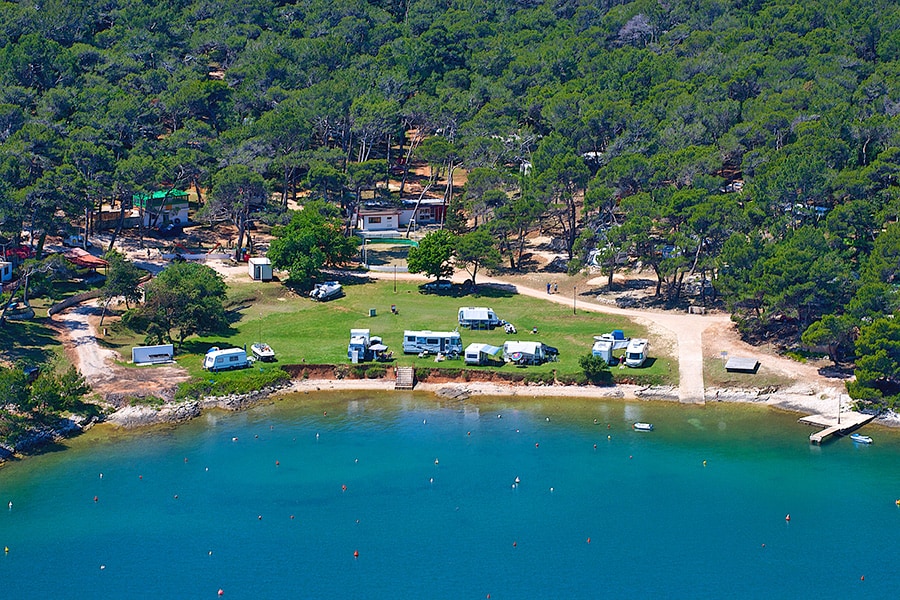
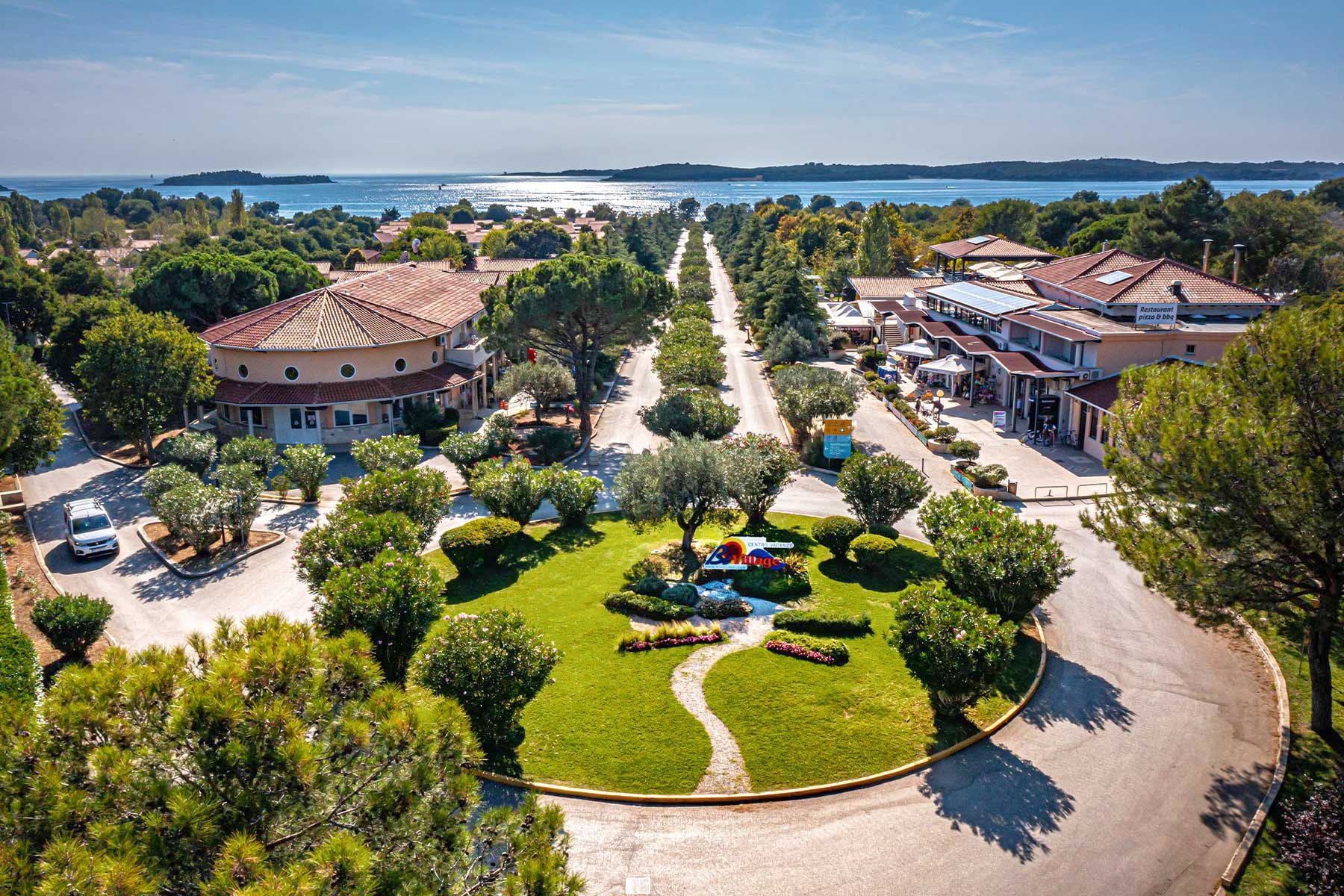
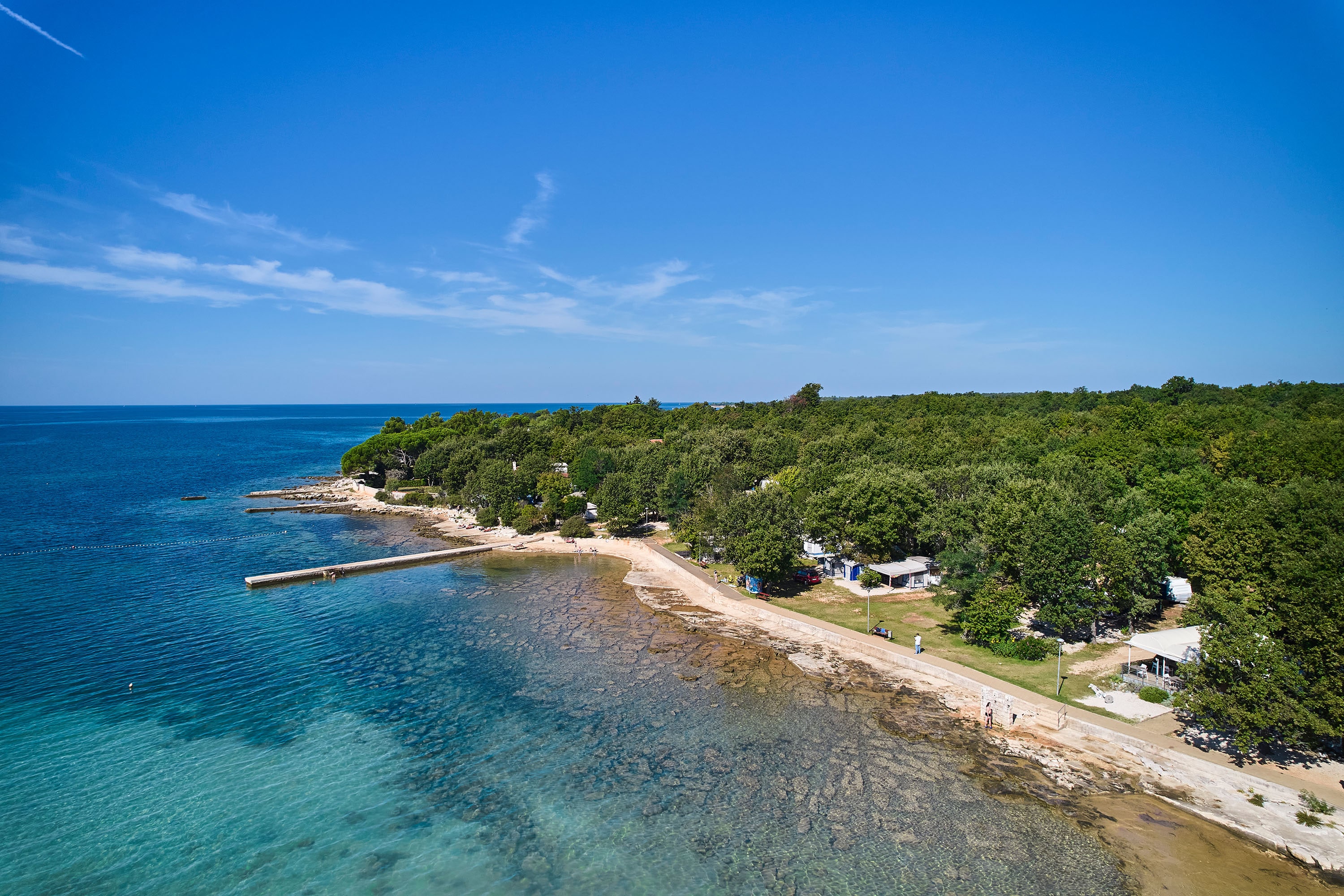
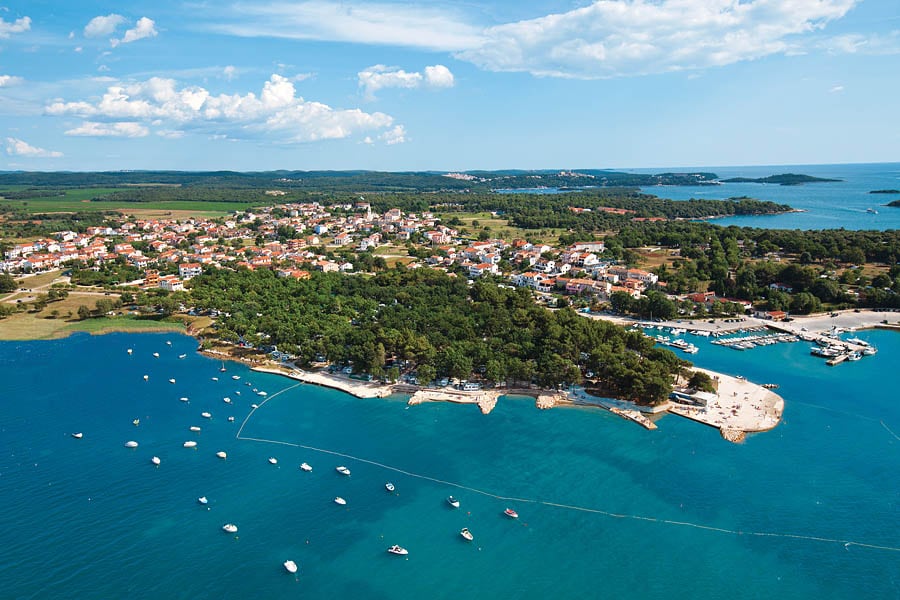
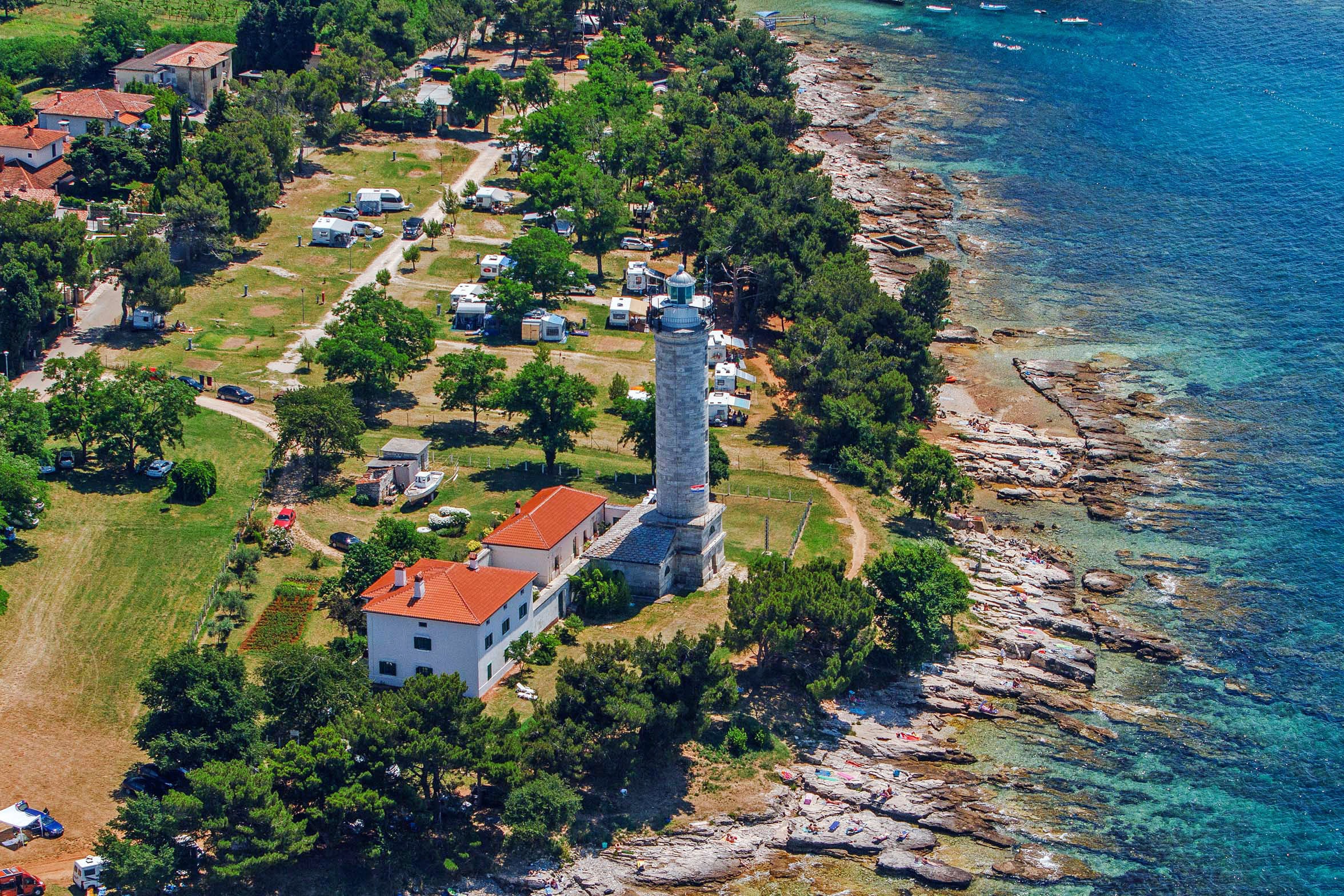
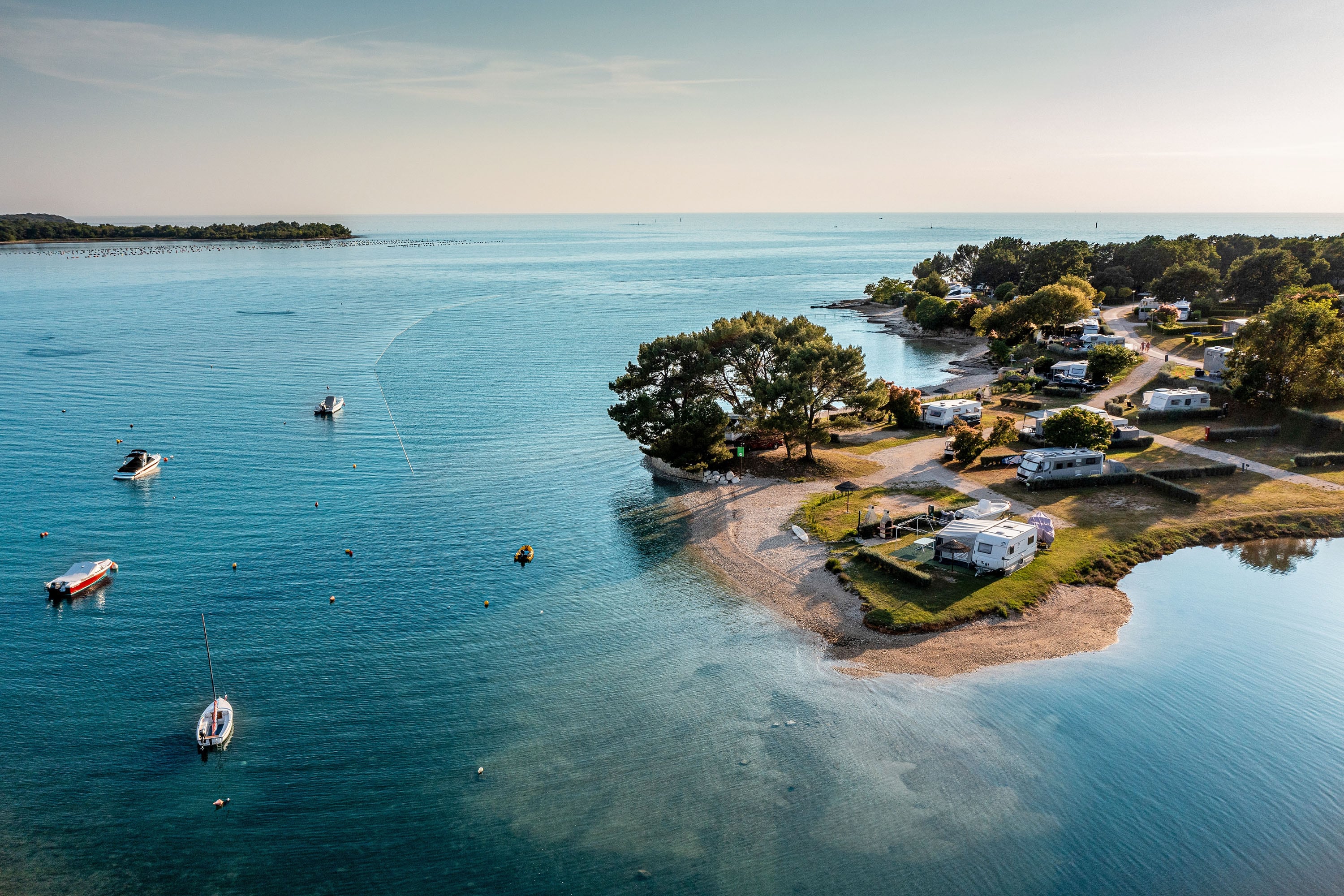
Istria is a triangular peninsula in northwestern Croatia known for its rolling hills, medieval villages, and the stunning Adriatic coastline. The region is famous for its rich cultural heritage, local cuisine, and wine production.
Browse Istria campsites Rovinj, Istria, Croatia Photo by Vlado Sestan on UnsplashIstria has been inhabited since prehistoric times and was colonized by the Romans who named it Histria. The region was dominated by Venice for nearly 700 years before falling under Austrian rule, and was eventually incorporated into modern Croatia in 1991 after the Balkans wars.
The main rail line crossing Istria, linking Pula to the Slovenian border and onward to Ljubljana. It winds through the interior past Pazin's dramatic canyon and the hill country around Buzet, giving a good look at inland Istria that most coastal visitors miss.
Climbs to Vojak (1,401m), the highest point of the Učka massif, with a stone lookout tower at the top giving views across the whole Istrian peninsula and, on clear days, to the Alps and Kvarner islands.
A walking path around the karst gorge beneath Pazin Castle, where the Pazinčica river disappears underground - reputedly the canyon that inspired Jules Verne's 'Mathias Sandorf'.
Flat coastal walking routes across a protected cape at Istria's southern tip, through Mediterranean scrub with sea cliffs, coves and dry-stone walls on both sides.
Trails along the limestone plateau north of Učka, less visited than Učka itself, with karst landscape, shepherd huts and views toward the Kvarner Gulf.
A cycling and walking route following the trackbed of the old narrow-gauge Parenzana railway (closed 1935), running through Buje, Grožnjan, Motovun's edge and down to the coast at Poreč - gentle gradients since it's a former railway line.
Gravel and forest tracks through the Mirna river valley woodland below Motovun, the same area where truffle hunters work - shaded riding through oak forest with the hill town visible above.
Car-free island roads on Veli Brijun make for an easy, family-friendly ride past Roman ruins, the safari park and old olive groves; bikes can be rented on arrival by boat.
A former fishing town on a small peninsula, with a tightly packed old quarter of pastel houses climbing to the Church of St Euphemia - one of the most photographed spots on the Adriatic coast.
A fortified hilltop town overlooking the Mirna valley, known for its walls, art-house film festival, and proximity to the truffle-hunting forests below.
A small hill village largely repopulated by artists since the 1960s, now full of galleries and studios, with a well-preserved stone core and views over the surrounding hills.
Often billed as the smallest town in the world, a tiny walled settlement of a couple of streets, reachable via the scenic 'Glagolitic Alley' road lined with stone monuments.
Labin is an old hilltop mining town with a well-preserved historic core, sitting above the modern beach resort of Rabac on the coast below.
A group of small islands off the west coast, protected as a national park, with Roman and Byzantine ruins, a safari park, and Tito-era history - visited by boat tour.
Join a guided hunt with dogs in the forests around Motovun and the Mirna valley, one of the few places in Europe producing prized white truffles, typically offered by local agencies in autumn (and black truffles year-round).
Istria's konobas and family wineries pour Malvazija Istarska (white) and Teran (red), often paired with tastings of the region's award-winning olive oils along the wine roads around Buje, Motovun and Vodnjan.
Walk through one of the best-preserved Roman amphitheatres in the world, still used for concerts and film screenings in summer.
Istria's clear water, wrecks and reefs (including sites around the Brijuni archipelago and the Premantura/Kamenjak coastline) draw divers of all levels.
Linking Buje, Grožnjan, Motovun and Livade by bike or car gives a compact tour of Istria's inland hill-town landscape in a day or two.
Istrian food leans on the forest and the sea in equal measure: white truffles from the Motovun forest turn up shaved over fuži (hand-rolled pasta) or scrambled eggs, while inland konobas serve maneštra (a thick bean-and-vegetable stew), wild asparagus fritaja (frittata) in spring, and cured Istrian pršut (air-dried ham) as a starter. Olive oil production here is serious business - Istria regularly ranks among the world's best regions for it - and it shows up generously in everything. On the coast, expect simply grilled fish, scampi and shellfish from the Adriatic. Wash it down with a glass of Malvazija Istarska, the region's signature crisp white wine, or the darker, more tannic Teran.
An exceptionally well-preserved 6th-century episcopal complex with Byzantine mosaics, inscribed as a UNESCO World Heritage Site for its completeness and artistic quality.
An archipelago of 14 small islands off the west Istrian coast, protected for its mix of Mediterranean landscape, archaeological remains and the former state residence and safari park of Josip Broz Tito; visited by organised boat tour from Fažana.
A mountain ridge park inland from Opatija/Rijeka, forested and rising to 1,401m at Vojak peak, popular for hiking, paragliding and, in the surrounding villages, chestnut harvests.
An outdoor, independent-film-focused festival held in the hill town of Motovun in late July, screening films on open-air squares.
Croatia's oldest film festival, held in Pula's Roman Arena each July, screening domestic and international films in the ancient amphitheatre.
Istria's main wine exhibition, held in Poreč in spring (typically April/May), showcasing Malvazija, Teran and other regional wines from local producers.
A season of truffle-focused events and markets centred on Buzet and Livade running through autumn, celebrating the white truffle harvest.